Introduction
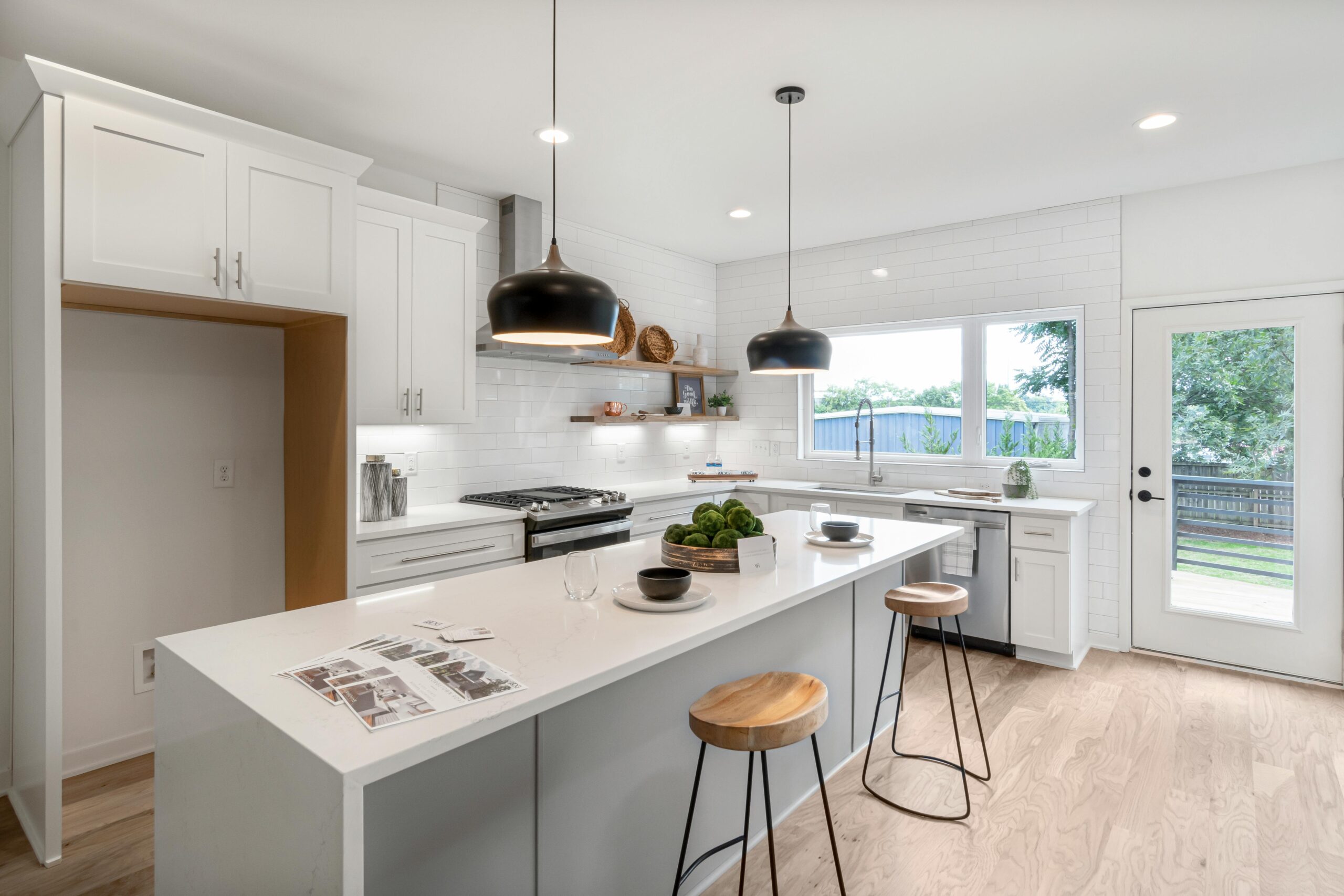
Remodeling a kitchen doesn’t have to drain your savings. With good planning, realistic goals, and a few cost-saving strategies, you can transform the look and function of your kitchen on a modest budget. This guide walks you through the process step by step, from planning and choosing materials to DIY tasks and professional help.
Step 1 — Plan and Set a Realistic Budget
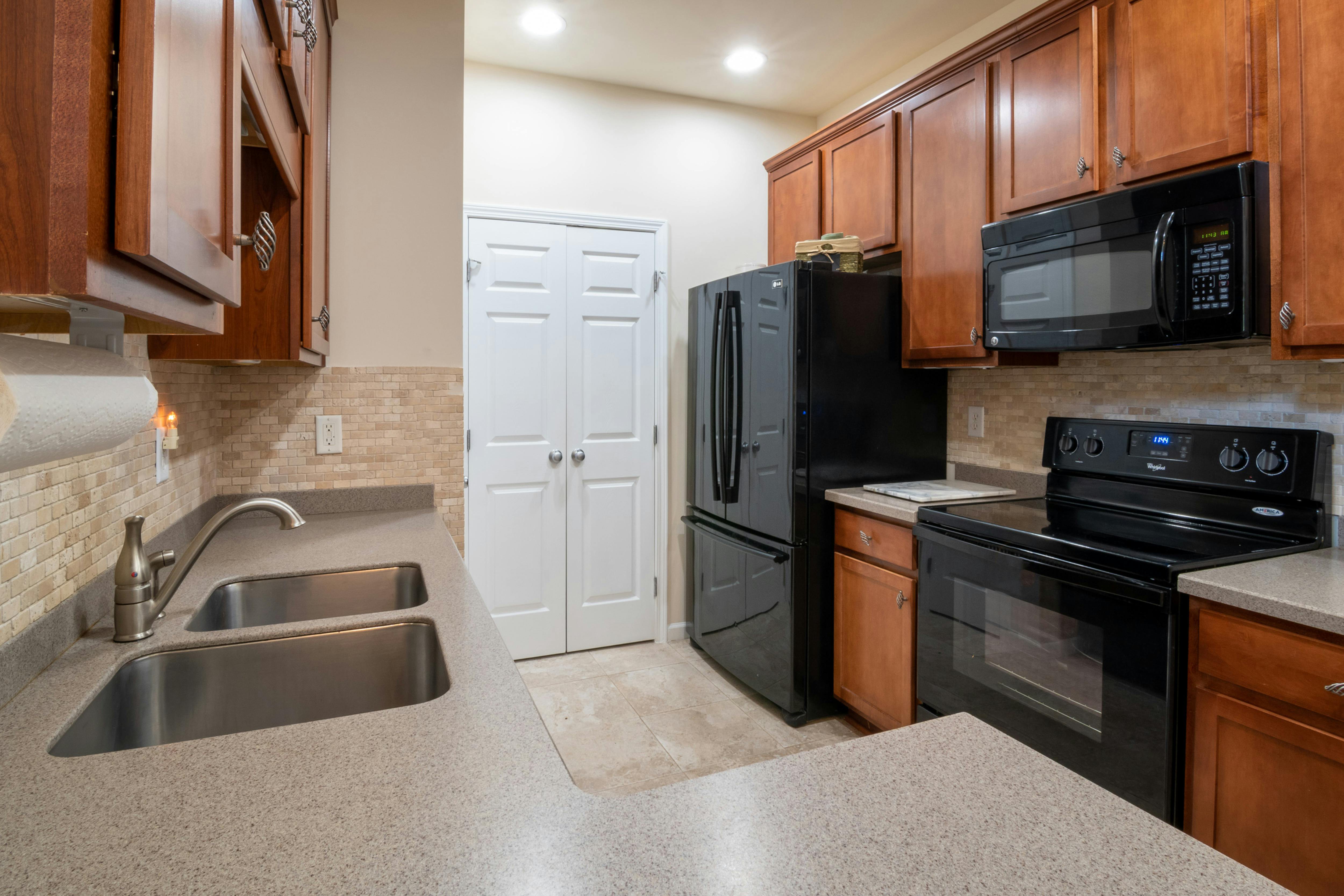
Start by defining what “remodel” means for you. Is it cosmetic (paint, hardware, lighting), functional (layouts, appliances), or full renovation (cabinets, countertops, flooring)? Create a simple budget worksheet with three columns: must-haves, nice-to-haves, and optional. Allocate a contingency of 10% to 15% for surprises.
Step 2 — Prioritize Changes
- Fix function first: address plumbing, electrical, and layout issues before cosmetic upgrades.
- Cosmetics with impact: paint, cabinet refacing or refinishing, new hardware, and backsplash can refresh the space affordably.
- Big-ticket items: choose long-term investments like countertops or appliances carefully—buy deals or slightly older models to save.
Step 3 — Smart Material Choices
- Cabinets: Refinish, paint, or reface existing cabinets instead of replacing them. Replace only doors or hardware if possible.
- Countertops: Laminate, butcher block, or engineered stone can be budget-friendly. Consider replacing only the main work area.
- Flooring: Luxury vinyl plank and tile alternatives are durable and less expensive than hardwood.
- Backsplash: Use peel-and-stick tiles, subway tiles, or paintable backsplash panels to cut costs.
Step 4 — Labor: DIY vs Hiring Pros
Labor is often the largest cost. Do tasks you are confident with—painting, installing hardware, removing old fixtures—then hire pros for plumbing, electrical, or structural work. Get multiple quotes and check credentials. Use local community groups to find reliable tradespeople with reasonable rates.
Step 5 — Where to Save and Where to Spend
- Save on: cabinet refacing, DIY painting, open shelving instead of upper cabinets, buying slightly older appliance models, and shopping salvage or reclaimed materials.
- Spend on: quality installation for sinks, plumbing, and major appliances. Poor work on these items leads to expensive fixes.
Step 6 — Shopping and Finding Deals
Buy at the right time: holidays, clearance events, and end-of-line sales. Check outlet stores, auctions, manufacturer remnant sections for countertops, and online marketplaces for gently used appliances. Keep receipts and check return policies.
Step 7 — Simple Design Tips to Maximize Impact
- Use a cohesive color palette to make the space feel bigger and cleaner.
- Improve lighting: under-cabinet LED strips and brighter overhead fixtures are inexpensive and high-impact.
- Add open shelving for display and lower cost than full upper cabinetry.
- Replace cabinet hardware for an instant update.
Step 8 — Timeline and Project Management
Create a timeline with milestones: demo, rough-ins, installation, finishes, and clean-up. Expect interruptions and add buffer days. Coordinate deliveries and contractor schedules to avoid delays.
Common Mistakes to Avoid
Don’t skimp on prep: proper surface prep, correct measurements, and permits are essential. Avoid impulse buys and mismatched finishes that lead to extra spending later.
Final Checklist Before You Start
- Detailed budget and priority list
- All required permits and inspections planned
- Materials and appliances ordered or sourced
- Contractor quotes compared and references checked
- Contingency fund ready
Conclusion
A budget kitchen remodel is about smart choices: plan carefully, decide what to DIY, invest in areas that matter, and shop for deals. Small, well-chosen updates can dramatically improve both function and value without breaking the bank.



Mike
Great guide — saved me a lot of time. I refinished my cabinets and replaced the hardware like you suggested and it feels like a new kitchen.
Sara
Really helpful breakdown. Any tips for finding reliable contractors in a small town?
HomeDIY
For those on a tight budget, check local salvage yards for sinks and lighting fixtures. You can find hidden gems at a fraction of the cost.
Linda
I recommend taking photos and measurements before demo. It helped me avoid ordering the wrong size countertop twice!