Introduction
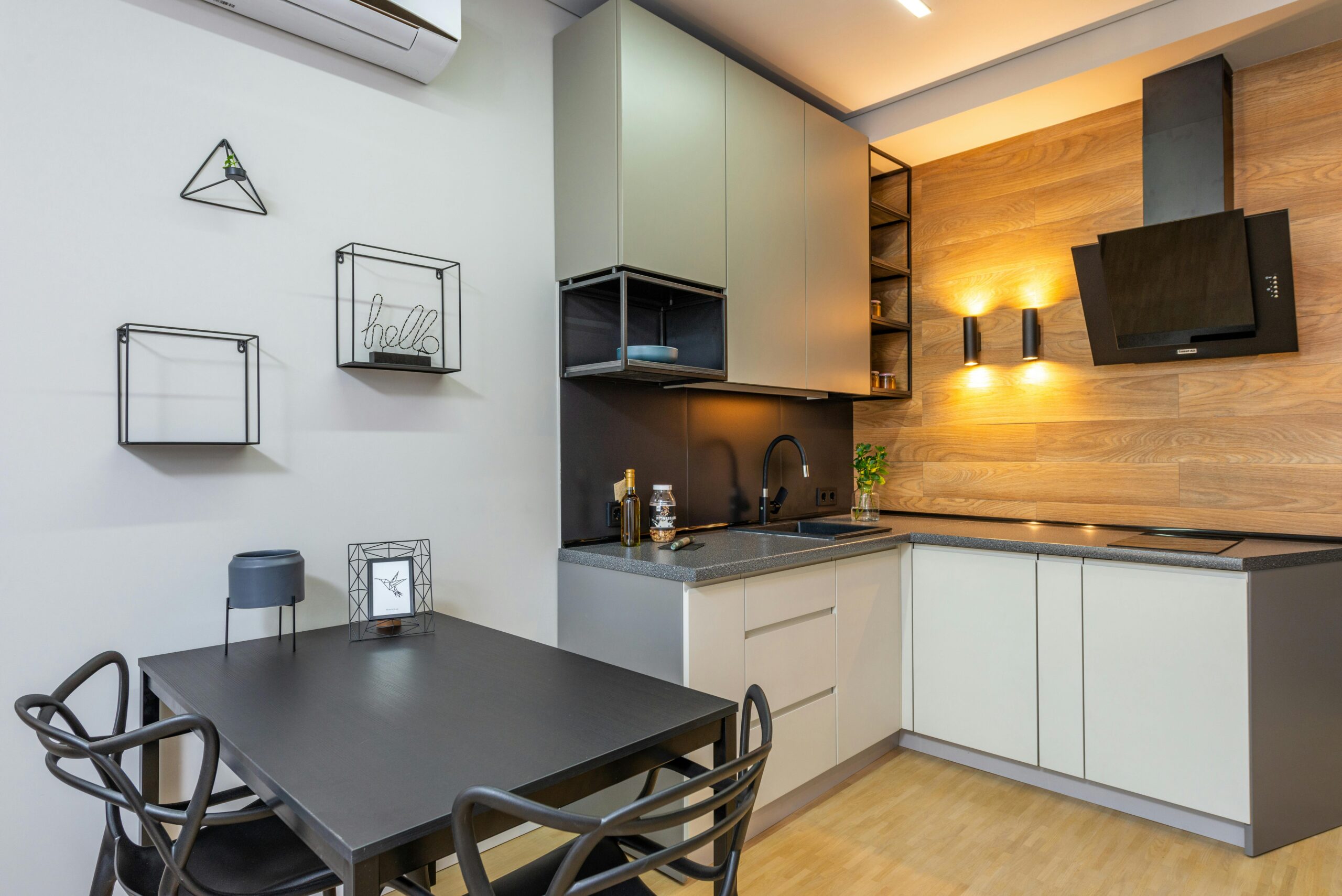
Remodeling a small home requires a mix of creativity, practical planning, and smart product choices. The goal is to make the space feel larger, more functional, and tailored to the way you live. Below are proven strategies for storage solutions, layout optimizations, and multifunctional furniture that can transform compact homes into efficient, beautiful spaces.
1. Start with a Clear Plan
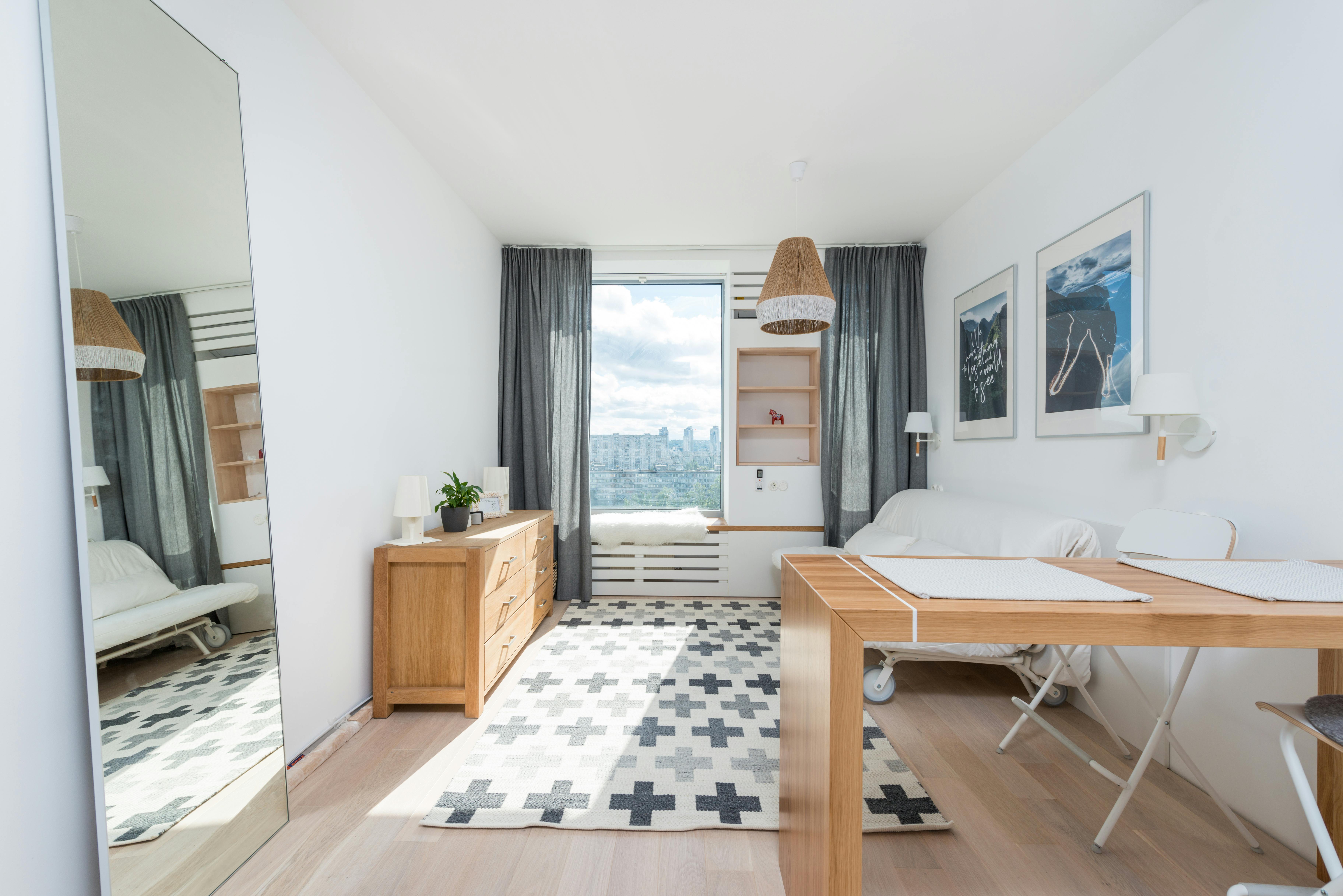
Measure carefully. Create a simple floor plan that includes windows, doors, and fixed elements like radiators. Note traffic flow and how you use each zone. Decide which walls are load-bearing before planning major changes — consult a professional if you’re unsure.
2. Optimize Layout and Flow
- Open sight lines: Remove partial walls or raise pass-throughs to allow light to travel across the space.
- Combine functions: Create zones that serve dual purposes, such as a kitchen peninsula that doubles as a dining table and work surface.
- Swap swinging doors for sliders: Pocket or barn doors free up floor area that would otherwise be taken by door arcs.
- Use vertical layering: Keep lower floor area open; place storage and lighting at different heights to add depth.
3. Built-in and Custom Storage
Built-ins maximize every inch by fitting to the room’s exact dimensions. Think floor-to-ceiling shelving, window seats with hidden storage, and cabinets that reach up to the ceiling to avoid wasted vertical space. Custom storage allows you to tuck items into corners, under stairs, and around appliances.
4. Multifunctional Furniture
- Sleeper sofas and daybeds: Ideal for studios or guest-ready living rooms.
- Murphy beds and loft beds: Free daytime floor space; lofts create usable area underneath for a desk or seating.
- Drop-leaf and fold-out tables: Expand when needed and stow away when not in use.
- Modular seating: Reconfigure pieces to suit gatherings, work, or relaxation.
5. Smart Kitchen and Bathroom Solutions
In kitchens, prioritize deep drawers over upper cabinets for easier access, use pull-out pantry shelves, narrow vertical appliance garages, and slimline dishwashers if space is tight. For bathrooms, consider corner sinks, walk-in showers instead of a tub, and medicine cabinets that add hidden storage without taking floor space.
6. Light, Color, and Materials
Light colors and reflective surfaces make rooms feel larger. Use consistent flooring throughout an open plan to create a sense of continuity. Add layered lighting — ambient, task, and accent — to reduce shadows and enhance perceived space. Transparent or low-visual-weight furniture (acrylic chairs, glass tables) keeps sight lines open.
7. Use Vertical and Hidden Spaces
Don’t ignore the often-unused vertical and hidden areas: the space above door frames, under beds, inside stair treads, and the tops of closets. Hooks, pegboards, and rails on walls free up floor space. Ladder systems or rolling library ladders help you access high storage without bulky furniture.
8. Practical Tips and Budgeting
- Prioritize changes that improve daily function first (kitchen layout, storage), then cosmetic updates.
- Mix custom and ready-made solutions to control costs — a custom built-in on one wall plus modular furniture can be very effective.
- Invest in quality hardware and hinges for longevity, especially on frequently used units.
- Consider phased remodeling to spread cost: start with lighting and storage, then tackle more intensive work like structural changes.
9. Quick Checklist Before You Remodel
- Measure twice: floor dimensions, ceiling height, window/door placement.
- Identify load-bearing walls and utility runs (plumbing/electrical).
- Decide on storage targets: how many items you must store and where they’ll go.
- Create a lighting plan to complement natural light.
- Choose multifunctional pieces that match your lifestyle.
Conclusion
Remodeling a small space is an opportunity to design with intention. Whether you’re renting a studio or renovating a compact house, the right combination of layout changes, built-in solutions, and multifunctional furniture can dramatically increase comfort and usability. Start with a clear plan, prioritize daily needs, and use clever storage and light to make every square foot count.



Jamie L.
Great ideas! I replaced my swinging closet door with a pocket door and instantly gained usable space. Also love the tip about ladder-access vertical storage.
Priya S.
Would love a follow-up post with product recommendations for multifunctional furniture — especially for studios under 500 sq ft.
Carlos M.
Helpful checklist. I learned the hard way to check for load-bearing walls before removing anything. Saved this for my renovation.
Elaine R.
Nice approach to mixing custom and ready-made solutions. Built-ins can be pricey but focusing them on one wall made a big difference in my apartment.