Choosing Flooring for Every Room: Hardwood, Laminate, Vinyl, and Tile
Picking the right flooring for each room in your home comes down to balancing durability, cost, installation method, and maintenance. No single material is perfect everywhere — kitchens, bathrooms, basements, and living rooms have different demands. Below is a practical comparison of hardwood, laminate, vinyl, and tile with tips on where each makes the most sense and how to care for it.
Quick Overview: Strengths and Weaknesses
- Hardwood — Classic look, can be refinished, warm underfoot. Susceptible to moisture and scratches; higher upfront cost.
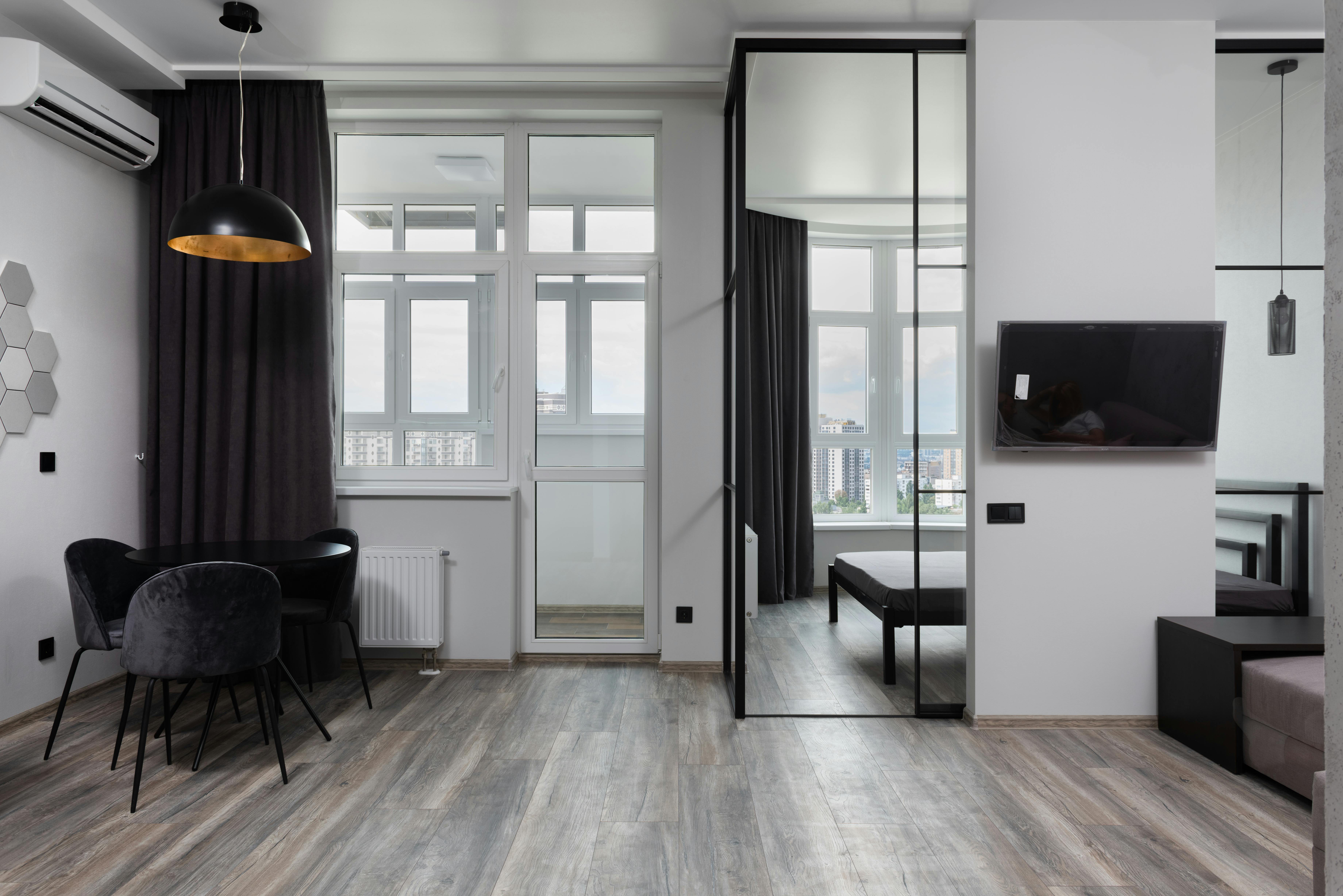
- Laminate — Cost-effective, scratch-resistant, floating installation. Not typically waterproof (though some newer boards are water-resistant).
- Vinyl — Excellent water resistance, affordable, many styles (plank, tile). Can be glued, clicked, or loose-laid; thin options can telegraph subfloor imperfections.
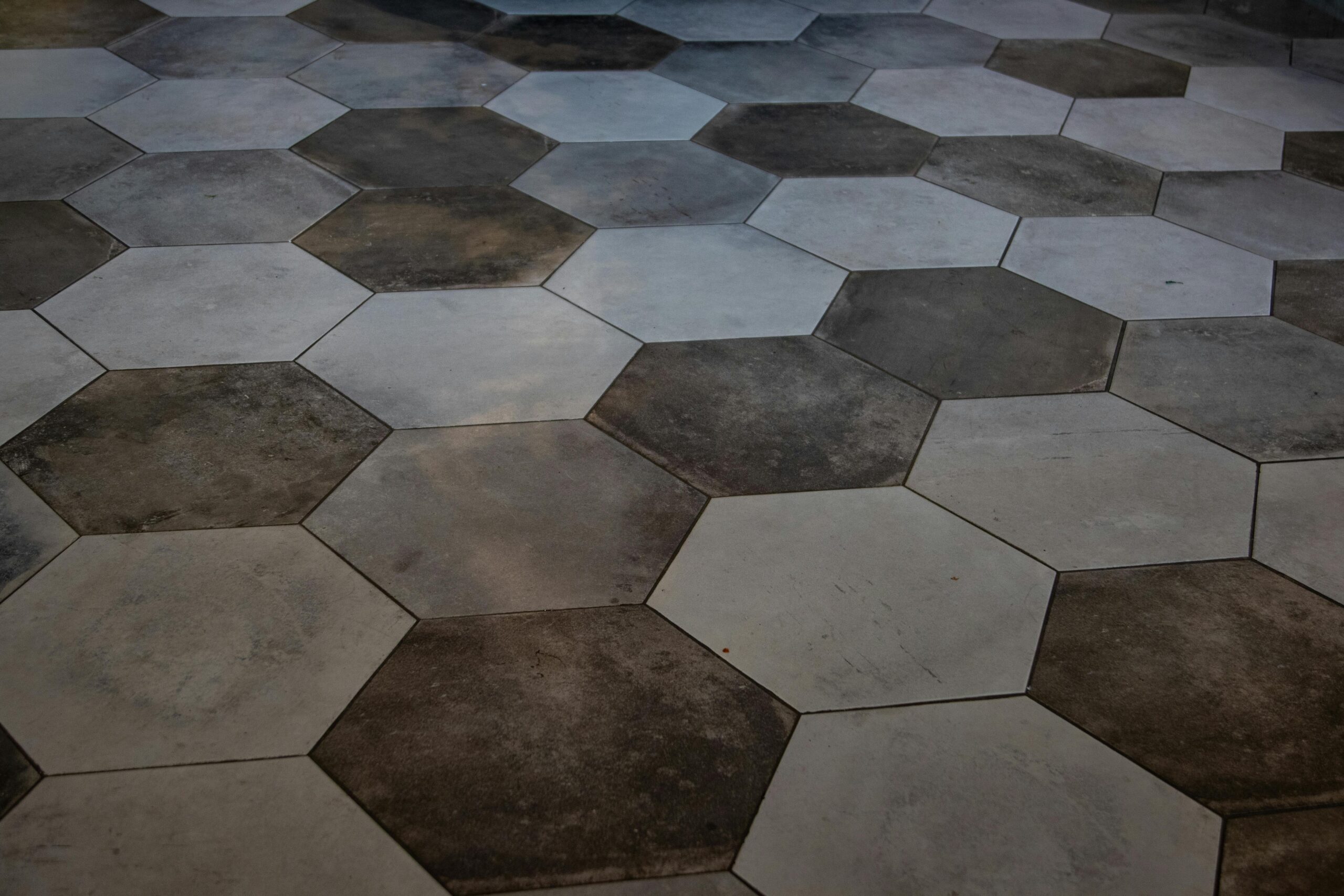
- Tile — Very durable and waterproof (porcelain/ceramic), ideal for wet areas; cold and hard underfoot, grout requires upkeep.
Durability and Lifespan
Hardwood floors can last 30+ years when maintained and refinished several times. Laminate typically lasts 10–25 years depending on quality. Luxury vinyl plank (LVP) and vinyl tile can last 15–25 years with proper care. Porcelain and ceramic tile can last decades — often 50+ years — but grout and setting materials may need repair sooner.
Cost Ranges (materials only, per square foot)
- Hardwood: $5–$15+ (exotic species and wide planks cost more)
- Laminate: $1.50–$5
- Vinyl (LVP/LVT): $2–$7
- Tile (ceramic/porcelain): $1–$10+
Labor and substrate prep can double or triple installed costs, especially for hardwood (nail-down or glue-down) and tile (thinset, grout).
Installation Methods
- Hardwood: Nail-down (over wood subfloor), glue-down (engineered wood over concrete), or floating (some engineered products).
- Laminate: Floating click-lock system is common. Requires underlayment for moisture and sound control.
- Vinyl: Click-lock floating, glue-down, or loose-lay. Some vinyl has adhesive backing (peel-and-stick).
- Tile: Mortar/thinset over a properly prepared substrate with grout joints; backer board or cement board is often required over wood subfloors.
Room-by-Room Recommendations
- Kitchen: Durable, water-resistant options like LVP or tile are ideal. Engineered hardwood can work if spills are cleaned quickly and humidity is controlled.
- Bathroom: Tile and vinyl are the top choices due to consistent moisture resistance. Avoid solid hardwood unless you have excellent ventilation and a sealed finish.
- Basement: Moisture is the main concern — vinyl and tile are safest. Engineered wood with waterproof core may work; avoid solid hardwood on concrete.
- Living Room/Bedroom: Hardwood provides warmth and resale appeal; laminate and vinyl are cost-effective alternatives.
- High-Traffic Areas & Pets: Look for scratch-resistant surfaces — high-quality laminate, rigid-core vinyl, or harder tile are best.
Maintenance Tips
- Hardwood: Sweep regularly, use manufacturer-approved cleaners, and refinish when surface wear appears. Control humidity (ideal 30–50%).
- Laminate: Avoid excessive water; use damp mops, not soaking. Replace boards if cores swell from moisture.
- Vinyl: Easy to clean with mild detergents; avoid abrasive cleaners. Ensure seams remain sealed in wet areas.
- Tile: Clean grout with appropriate cleaners; reseal grout periodically. Repair cracked tiles promptly to prevent water intrusion.
Practical Considerations
Subfloor prep is vital. Concrete might need a moisture barrier; wood subfloors should be flat and rigid. Sound transmission and underfoot comfort can be improved with underlayment (cork, foam, or acoustic products). If resale value matters, hardwood generally ranks highest, followed by tile; laminate and vinyl are less impactful but offer fantastic value and durability advances.
Final Thoughts
Choose materials based on the room’s moisture level, wear expectations, and your budget. For a cohesive look, consider using the same family of materials (for example, LVP) across multiple rooms to avoid too many transitions, but prioritize functionality first — a bathroom with tile and a living room with wood or LVP is a practical combination. Always consult product specifications for warranties, and when in doubt, get samples to test appearance and feel in your home lighting and layout.
With the right selection and proper installation, your flooring should serve both function and style for years to come.



Anna R.
Great breakdown — I didn’t realize vinyl has so many installation options. Helped me decide between click-lock and glue-down for my kitchen.
Marcus T.
I installed engineered hardwood in my living room and LVP in the kitchen after reading tips like these. Worth the investment!
Priya S.
Good point about underlayment for sound control. My upstairs laminate was noisy until I added a better underlayment.
Ben L.
Don’t forget to check warranty limits. Some ‘water-resistant’ laminates have strict conditions that can void coverage if installed in bathrooms.